
A Digital Evolution
The Vignettes
15 June 2026
Learn from experience. Connect with peers. Enhance patient safety.
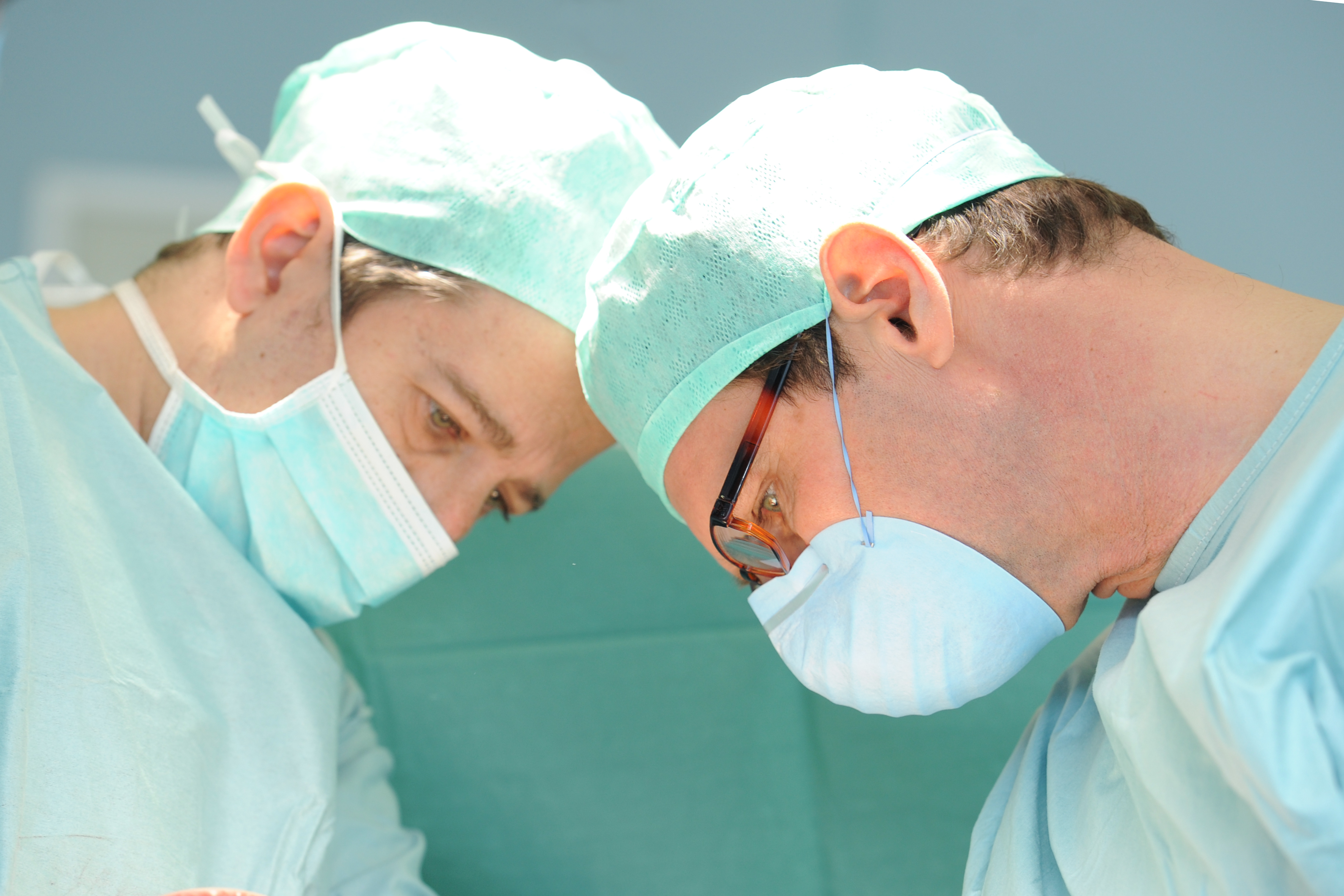
The "Emergencies in Urology" vignettes compile first-hand insights into challenging urological emergencies. Shared by seasoned specialists, these cases encourage reflection on critical scenarios, clinical decision-making, and key takeaways.
Log in now to explore the cases
The first edition of Emergencies in Urology featured a now-rare form of academic clinical publication: the communication of personal clinical experience. Some of the most distinguished urologists of their time openly shared their own “urological emergency Armageddons” as short, narrative vignettes.
These reflections offered a candid glimpse into the real-life challenges of emergency urology and became an integral, widely acclaimed complement to the classically structured chapters of the textbook. In recognition of the appreciation these stories earned from both reviewers and readers, the editors and publisher decided to preserve and expand the concept into a sustainable, continuously evolving digital platform.
Leveraging modern communication technology, the vignettes are now presented as the centerpiece of a curated, moderated, and access-controlled online forum for our international colleagues. This transition mirrors a long-standing safety culture in commercial aviation, where pilots learn from the critical situations others have faced – a philosophy captured by the iconic phrase “I learned about flying from that.”
In this same spirit, the Emergencies-in-Urology platform aims to enhance clinical judgment and improve patient safety through shared experience and collective reflection. Following the link below will guide you to the entry point of this new forum. We warmly invite you to contribute, share, discuss, and learn. This innovative and interactive project “Connects the Unconnected” – bridging diverse professional backgrounds, cultures, and locations – all with one common goal: to manage urological emergencies with the highest possible competence.
Prof. Dr. Markus Hohenfellner